Why I Started Saving More Money After Using social media Less
There was a time when I thought my money problems came from not earning enough.
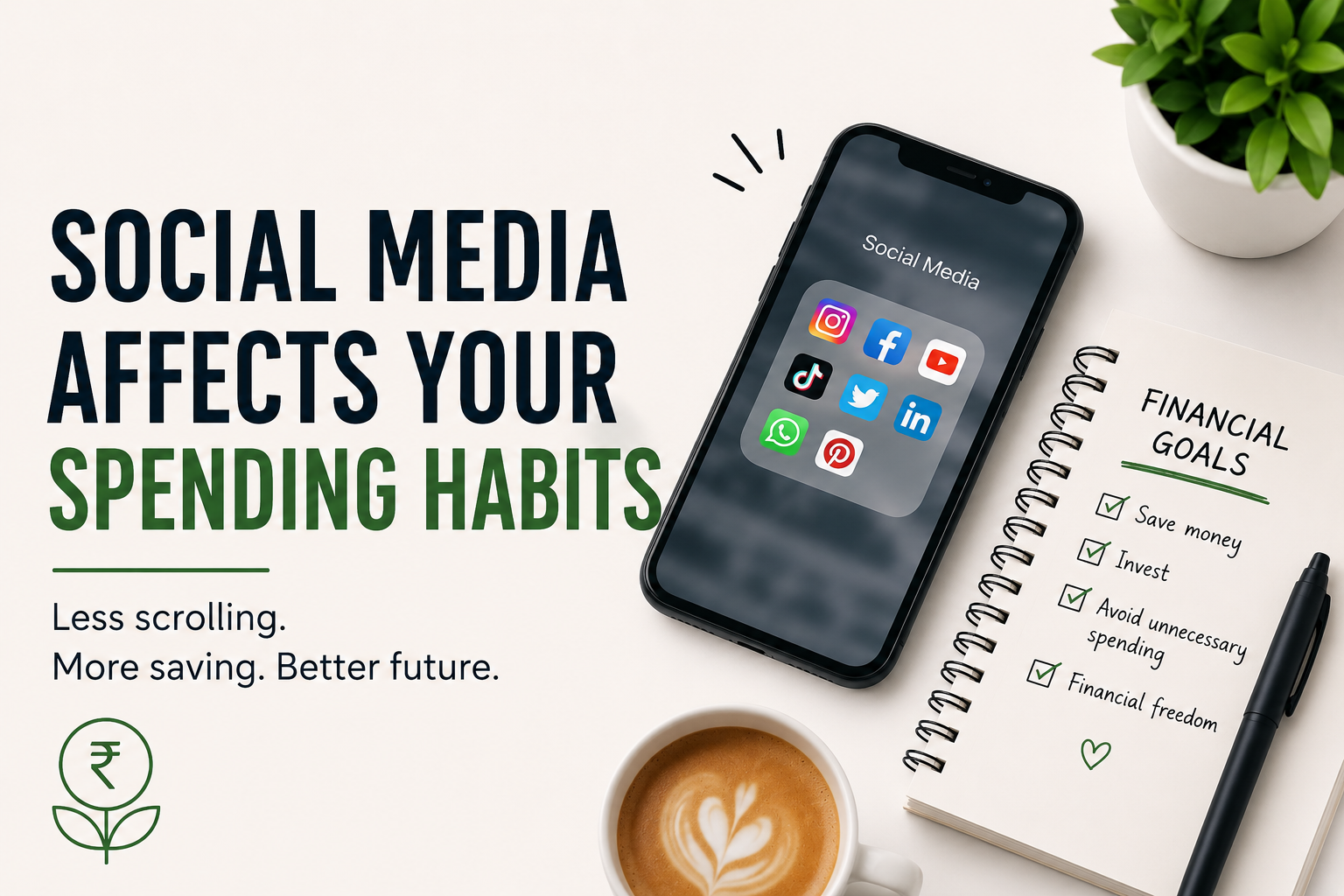
So I kept focusing on income:
- learning about investing,
- watching finance videos,
- reading productivity content,
- and trying to become “better” financially.
my spending habits. No matter how motivated I felt after watching finance content, I still ended up buying things I didn’t really need.
The real problem was how social media was quietly influencing my mind every single day.
The Strange Link Between Scrolling and Spending
At first, it didn’t look more dangerous. I feel like i was not buying any Lamborghini or luxury watches.
It was smaller things:
- random Amazon purchases.
- subscriptions.
- gadgets.
- productivity apps.
- online courses.
- food delivery.
- small upgrades.
Individually, they didn’t seem dangerous.
But over time, I noticed a pattern:
The more time I spent scrolling, the more likely I was to spend money impulsively. Especially at night. I would open Instagram or YouTube just to relax for a few minutes, and suddenly I’d be looking at:
- desk setups.
- tech reviews.
- self-improvement products.
- travel videos.
- lifestyle content.
- or people showing “successful” lives.
And without realizing it, my brain started feeling dissatisfied with normal life.
Social Media Quietly Changes What Feels “Normal”
This is something most people don’t notice immediately. When you repeatedly see expensive lifestyles online, your standards slowly change.
A phone that worked perfectly fine last month suddenly feels outdated. Your room starts looking “boring.”
Your clothes feel old.
Your life feels slower compared to everyone online.
Even if you logically know social media is filtered and unrealistic, your brain still absorbs it emotionally. That emotional comparison affects spending more than people realize.
Click Here :- How to Choose the Best Mutual Fund in India (Beginner Guide 2026)
Why Social Media Makes Financial Discipline Harder
Saving money requires patience. Investing requires delayed gratification. Building wealth requires consistency over long periods of time.
But social media trains the brain for the opposite:
- instant stimulation,
- quick rewards,
- endless novelty,
- and emotional reactions.
Every scroll of an instagram reel or Yt shorts gives your brain a small amount of dopamine hits. And over time, your attention span changes.
You become less comfortable with:
- waiting,
- boredom,
- slowness,
- and long-term thinking.
That mindset quietly affects financial behavior. Because when the brain constantly seeks stimulation, impulsive spending becomes easier.
The “Productivity Spending” Trap
One thing I personally struggled with was what I call productivity spending.
I convinced myself I needed:
- better apps,
- better notebooks,
- better keyboards,
- better setups,
- better tools,
to become more productive. But honestly, most of the time I was just buying motivation — not solving real problems. Social media makes self-improvement look highly aesthetic. It creates the illusion that buying something new will suddenly improve your life.
Sometimes it helps. Most times, it just creates temporary excitement. Then the cycle repeats again.
How Algorithms Influence Spending Habits
Modern algorithms are extremely powerful.
Platforms track:
- what you watch,
- what you click,
- what you search,
- and even what you pause on briefly.
If you watch one finance video, suddenly your feed becomes:
- investing content,
- luxury entrepreneur lifestyles,
- productivity influencers,
- expensive workspaces,
- and creators promoting products constantly.
The algorithm keeps feeding desire. And eventually, buying things starts feeling connected to becoming successful.
That’s why many people overspend without even realizing how much external influence shapes their decisions.
I Realized I Was Rarely “Bored” Anymore
This was probably the biggest realization for me. Every small moment of silence became scrolling.
- Waiting somewhere?
Open Instagram. - Feeling stressed?
Watch YouTube. - Feeling unmotivated?
Consume more content.
My brain never had space to slow down, because overstimulation weakens self-control.
What Happened When I Reduced Social Media Use
I didn’t completely quit social media. But I started using it differently.
A few simple changes made a huge difference financially.
I unfollowed accounts that triggered comparison
This immediately reduced unnecessary spending urges. I stopped seeing constant luxury, consumption, and “perfect lifestyles.”
And honestly, my mind felt lighter.
I stopped scrolling first thing in the morning
This changed my mood more than I expected. Starting the day with comparison and information overload was affecting my decisions for hours afterward.
Now I have stopped using social media after waking up in morning for minimum of 1 Hour.
I started waiting before buying things
Instead of buying immediately, I started waiting 24 hours. Most impulsive purchases lose emotional intensity surprisingly fast.
This one habit alone helped me save a lot.
I spent more time offline
- Walking.
- Reading.
- Writing.
- Exercise.
- Quiet mornings.
The calmer my mind became, the less I felt the need to buy unnecessary things.
That surprised me the most.
Social Media and Lifestyle Inflation
One financial problem people rarely discuss enough is lifestyle inflation. As income increases, spending increases too.
But social media accelerates this process.
You constantly see:
- better phones,
- better vacations,
- better apartments,
- better clothes,
- better lifestyles.
And slowly, satisfaction disappears. No matter what you already have, something online always looks better. That mindset can quietly destroy long-term financial growth.
Wealth is all about earning more money. It’s also staying enough to save and invest consistently for a long term.
Protecting Your Attention Also Protects Your Money
This is something I deeply believe now:
Attention is becoming one of the most important financial skills today. Because if algorithms constantly control:
- your attention,
- emotions,
- desires,
- and impulses,
your spending habits will eventually reflect that. Most people don’t overspend because they’re irresponsible. They overspend because they’re mentally overstimulated all the time.
Final Thoughts
I still use social media. But now I try to use it consciously instead of automatically.
And honestly, using it less improved more than just my finances.
I became:
- calmer,
- less distracted,
- less impulsive,
- and more satisfied with simple things again.
These days, before buying something online, I ask myself one question:
“Did I genuinely want this before I saw it on social media?”
A surprising number of times, the answer is no.
And that simple realization probably saved me more money than any budgeting app ever did.
For more similar posts:- Click Here