
How to Build Wealth in Your 20s: Simple Plan to Save, Invest & Avoid Money Mistakes
How I Fixed My Money Habits in My 20s and Started Building Wealth
Introduction: –
Earning Money Didn’t Mean I Was Growing It. When I began earning money , I assumed things would automatically fall into place.
I thought saving money would be easy.
But every month followed the same pattern—salary came in, expenses went out, and nothing stayed.

Most of my spending didn’t feel wrong at the time:
- Ordering food felt convenient.
- Buying things online felt normal.
- Going out on weekends felt deserved.
But when I finally checked my balance seriously, I noticed a problem: I wasn’t making progress financially.
That realization of my hard-earned money going unnoticed is feeling bad for me.
For more such Posts:- Click Here
1. I Never Looked Closely at My Spending:-
For a long time, I avoided checking where my money was going.
It wasn’t laziness—it was discomfort.
Once I finally reviewed my transactions, a pattern became clear:
- Small expenses were happening too often
- Convenience spending was costing more than expected
- Some payments were completely unnecessary
I didn’t create a detailed budget immediately, I just started paying attention.
That one habit made me more conscious of every rupee I spent.
2. Living Without Savings Made Everything Stressful:-
- An unexpected expense forced me to use my credit card. At that moment, it felt like a quick solution.
- But the following month, I couldn’t clear the full amount. That’s when I understood how easily debt can build up. I decided to change one thing:
- I would save before spending anything else. I began with a small amount.Even though it wasn’t big, it gave me a sense of control.
- Over time, I realized that having an emergency fund is more important than jumping into investments.
3. Debt Taught Me an Expensive Lesson
- When I calculated how much I was paying in interest, it was eye-opening. That money could have been saved or invested.
- Instead, it was going towards charges that didn’t add value. I made it a priority to clear my dues first.
- It wasn’t the most exciting step, but it was necessary to move forward.
4. Waiting Too Long to Invest Was a Mistake
- I spent months trying to understand everything about investing. Reading, watching, comparing—but not acting.
- I believed I needed perfect knowledge before starting. Eventually, I realized that approach was slowing me down.
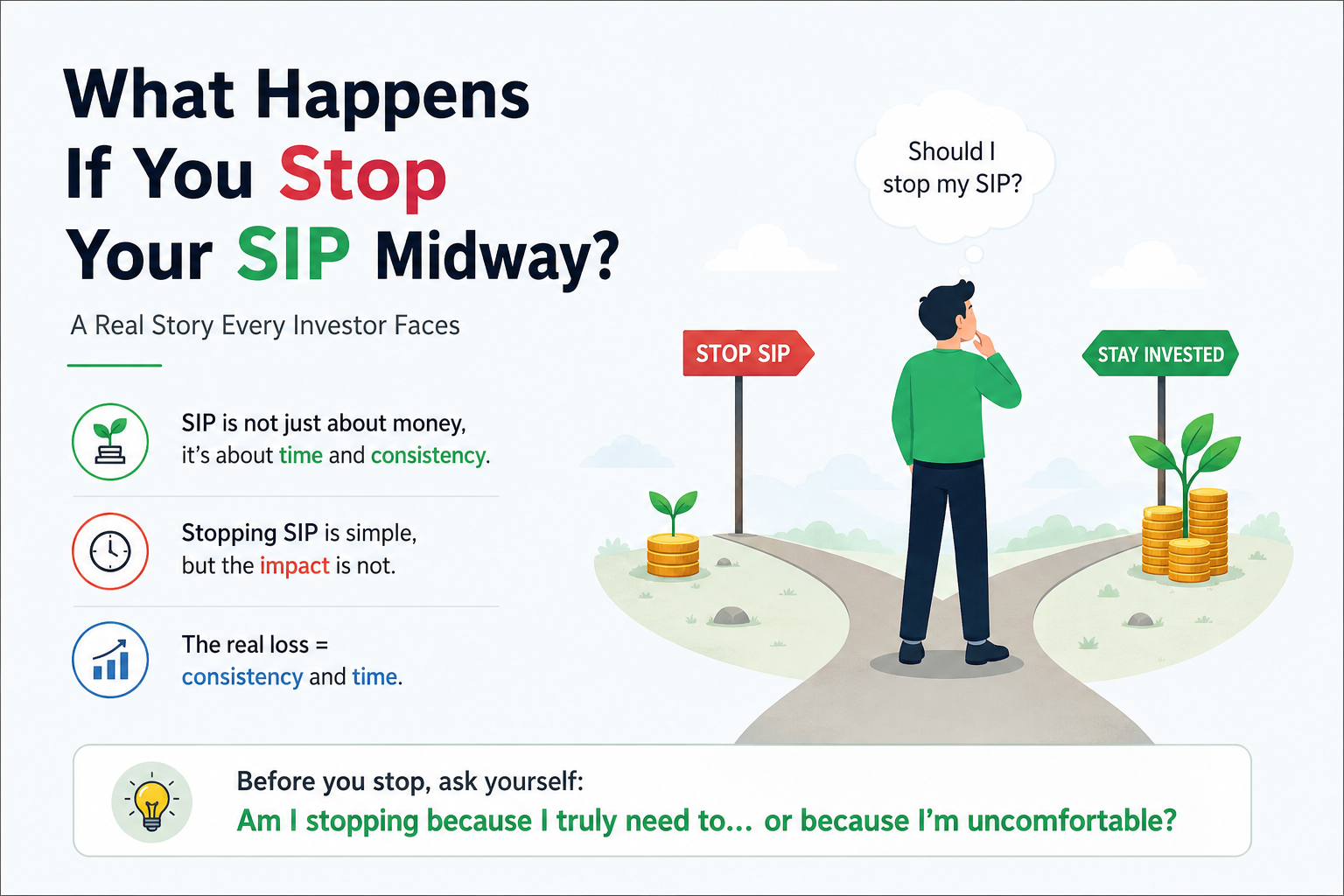
- So I simplified things and began with a basic investment plan. A fixed amount, invested regularly.
- No complicated strategies—just consistency.
5. Trying to Control Every Expense Backfired
- At one point, I tried to reduce all non-essential spending. For a short time, it worked. But it didn’t last.
- I felt restricted and eventually went back to old habits.That’s when I understood something important:
- A financial plan should be practical, not extreme. Allowing some flexibility helped me stay consistent.
6. Focusing Only on Saving Has Limits
- Cutting expenses helped, but only to a certain extent.
- There’s only so much you can reduce.
- So I shifted my focus toward improving my income.
I started:
- Learning useful skills
- Exploring better opportunities
- Looking for additional income sources
Even a small increase made a noticeable difference.
7. I Overlooked Protection in the Beginning
- Earlier, I didn’t think much about insurance. It didn’t seem urgent.
- But later, I understood its importance. Unexpected situations can impact finances significantly.
- Having basic coverage provides stability and peace of mind. This is not about earning returns—it’s about avoiding setbacks.
8. What My Financial Routine Looks Like Now
I don’t follow anything complicated.
My approach is simple and repeatable:
- Set aside savings as soon as income comes in
- Keep an emergency fund ready
- Invest regularly in a disciplined way
- Avoid unnecessary debt
- Focus on increasing earning potential
- Review finances occasionally
Consistency matters more than complexity.
A Practical Perspective
From my experience—and general financial awareness encouraged by the Securities and Exchange Board of India—many people don’t struggle because they lack information.
They struggle because they delay action or repeat avoidable mistakes.
Starting early, even with small steps, makes a difference.
Simple Steps to Begin
If you’re unsure how to start, keep it simple:
- Track your spending for a few days
- Save a small portion of your income
- Build a basic emergency fund
- Start investing gradually
- Stay away from high-interest debt
Common Questions
- Is it okay to begin investing with a small amount?
Yes, consistency matters more than the amount in the beginning. - Should debt be cleared before investing?
If the interest is high, clearing it should usually be the priority.
Final Thoughts
Your early 20’s are not about being perfect with money, They’re about learning and improving.
You don’t need to know everything.
- Be aware of your habits
- Start saving
- Begin investing
- Stay consistent
That’s how progress begins.
Author
I am Livin Rangasamy, an Author, Engineer, AMFI ( Association of mutual funds in India) registered Mutual fund distributor and a guy who is more interested to teach finance to people who are interested.
Disclaimer
This content is meant for general understanding only and should not be taken as financial advice. It’s always better to do your own research or consult a professional before investing
For More similar posts :- CLICK HERE